
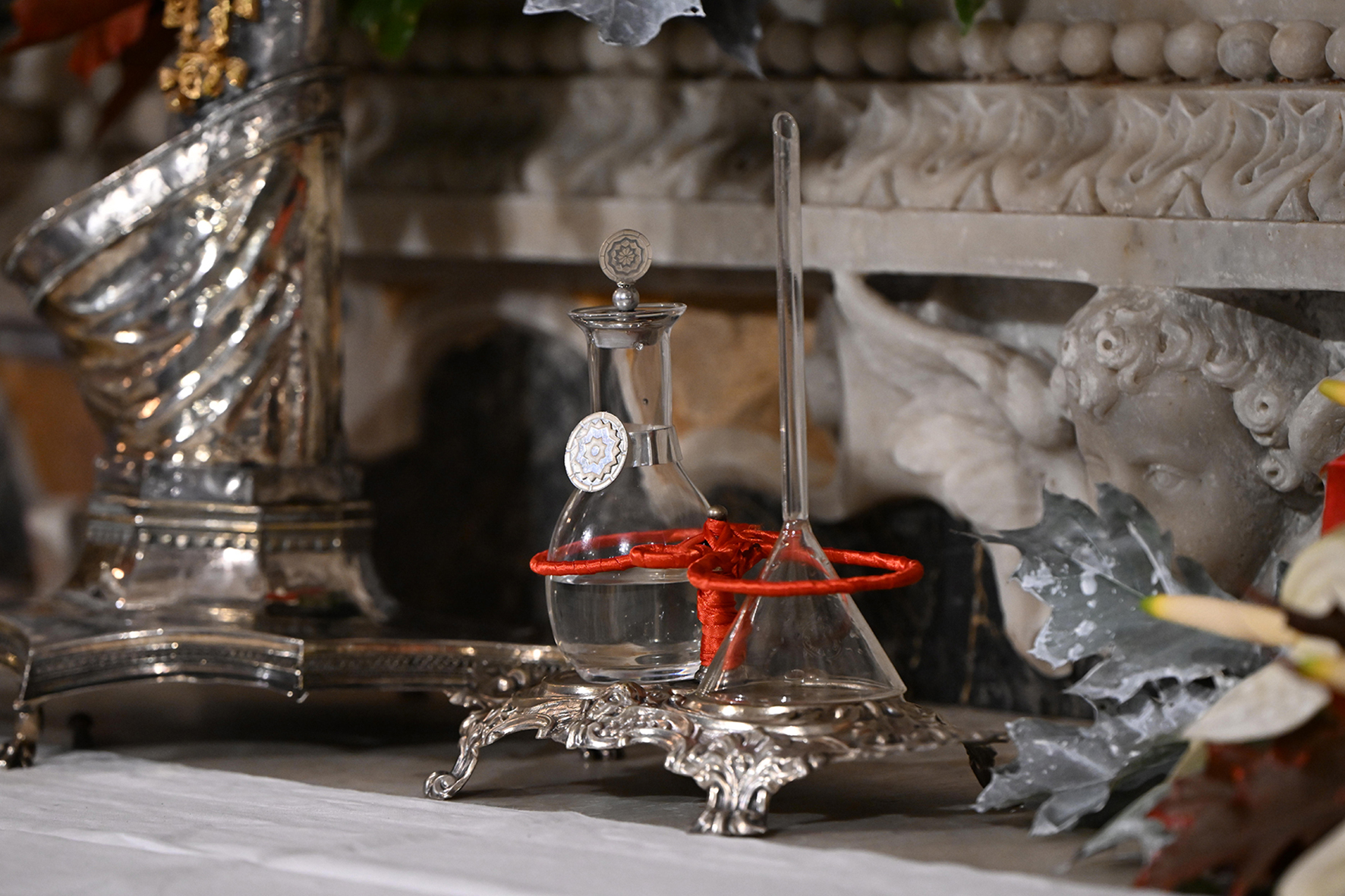
The “Manna” of St. Matthew, which is collected twice a year in an ampul, is stored in the “Chapel of the Treasure”.
The Gravestone of the Apostle (1081 AD)
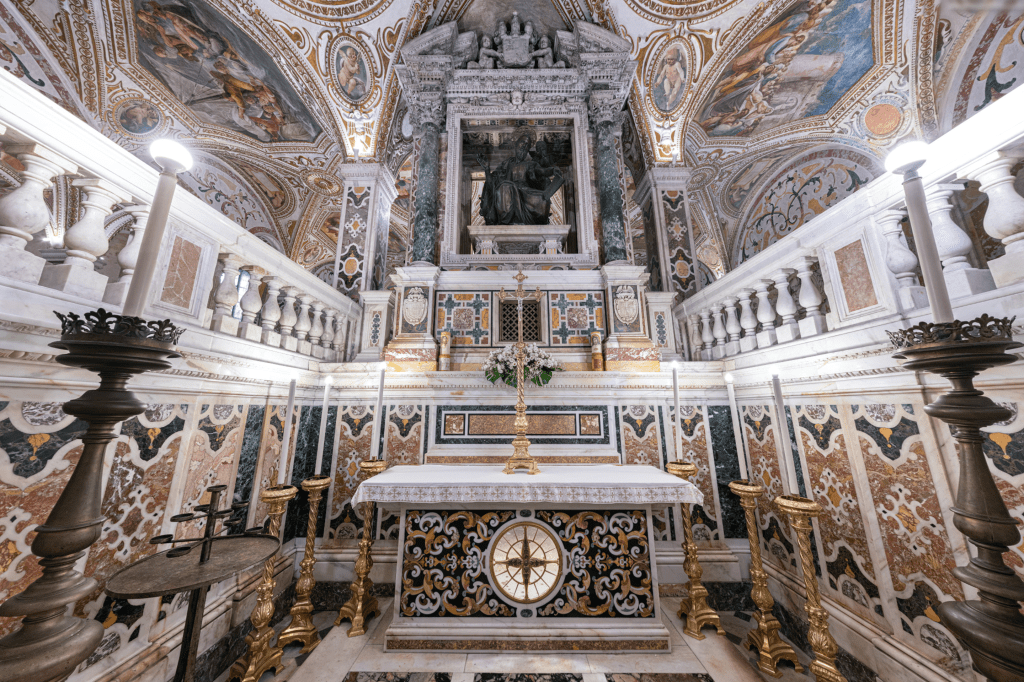
The Cathedral of Salerno was erected over the tomb of the Apostle and Evangelist St. Matthew. The two-faced altar in the crypt was built right above his sepulchre. When walking downstairs it is possible to see the gravestone which, decorated with Christ’s monogram, shows the following epigraph in the lower part:
HOC CORPUS GLORIOSISSIMUM MATHEI APOSTOLI ET EVANGELISTAE EST HIC RECONDITUM AB ALFANO ARCHIEPO PRESENTE MICHELE IMPERATORE AUGUSTO E DUCE ROBBERTO.
ANNO DOMINICAE INCARNATIONIS MLXXXI IV IND. M.M.
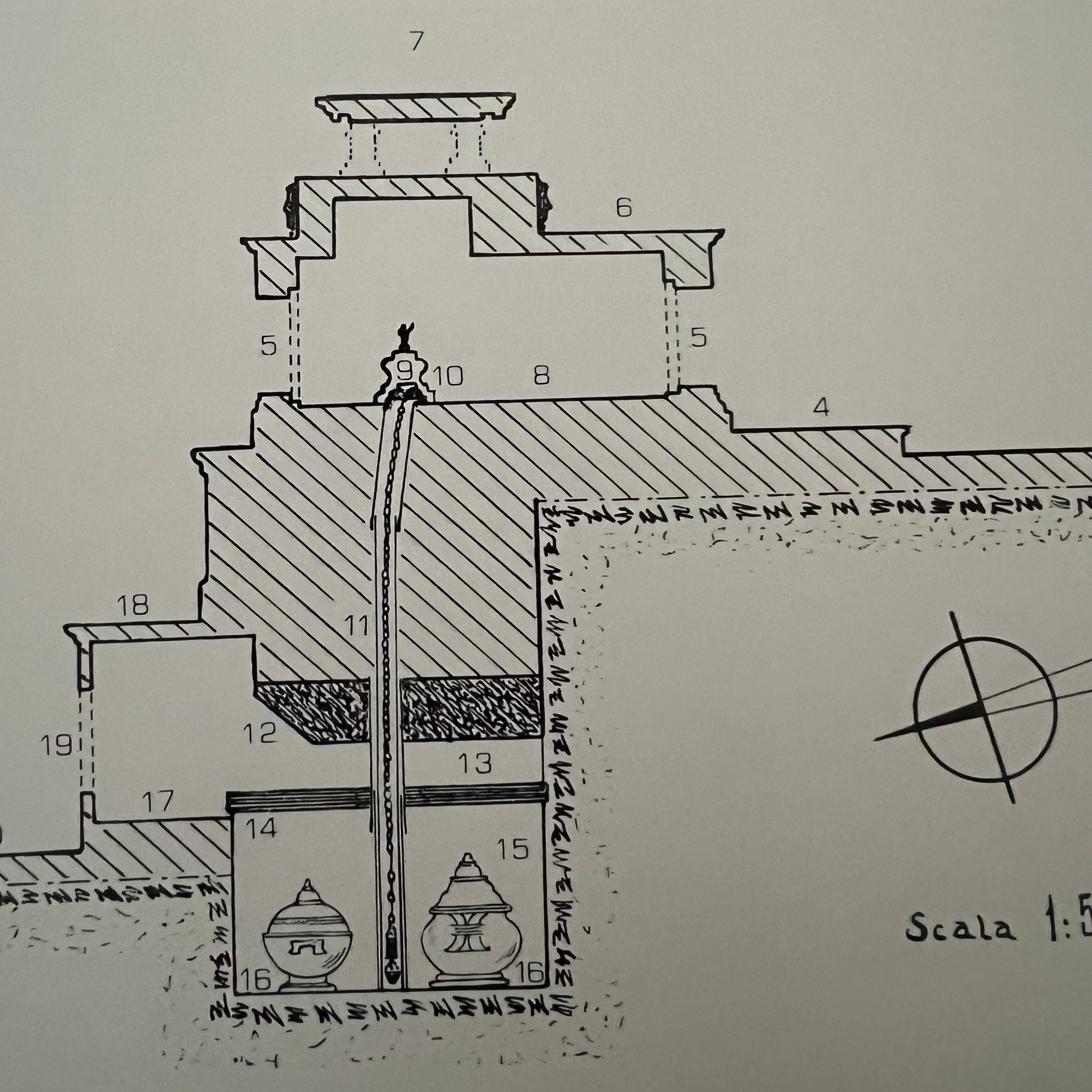
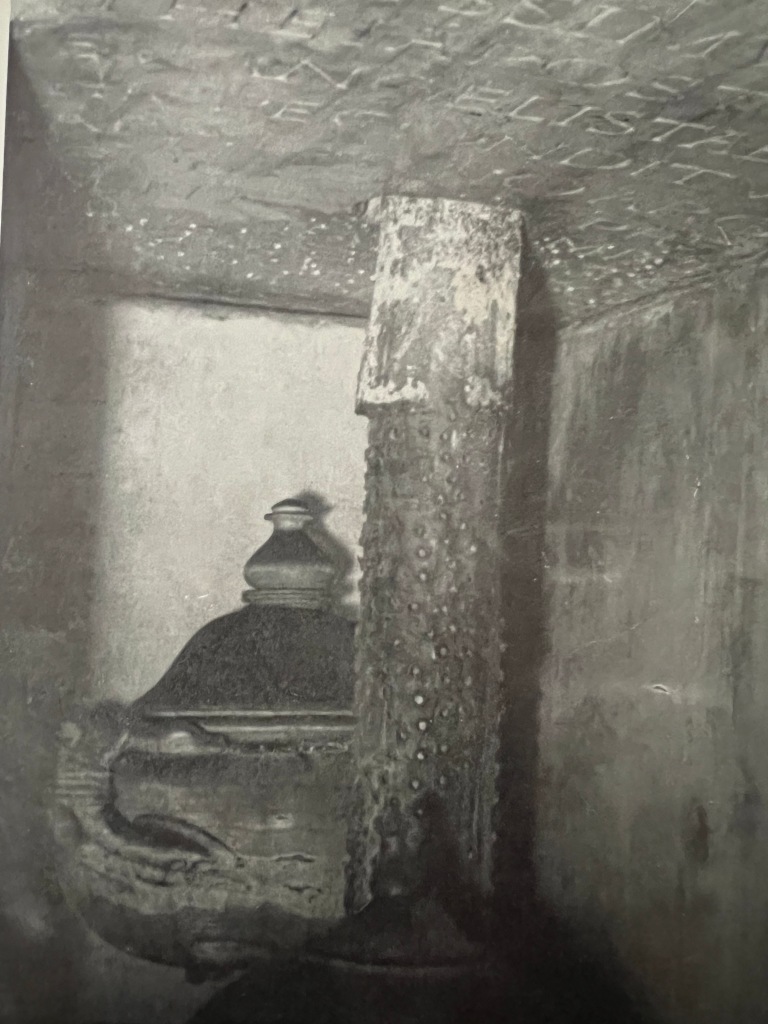
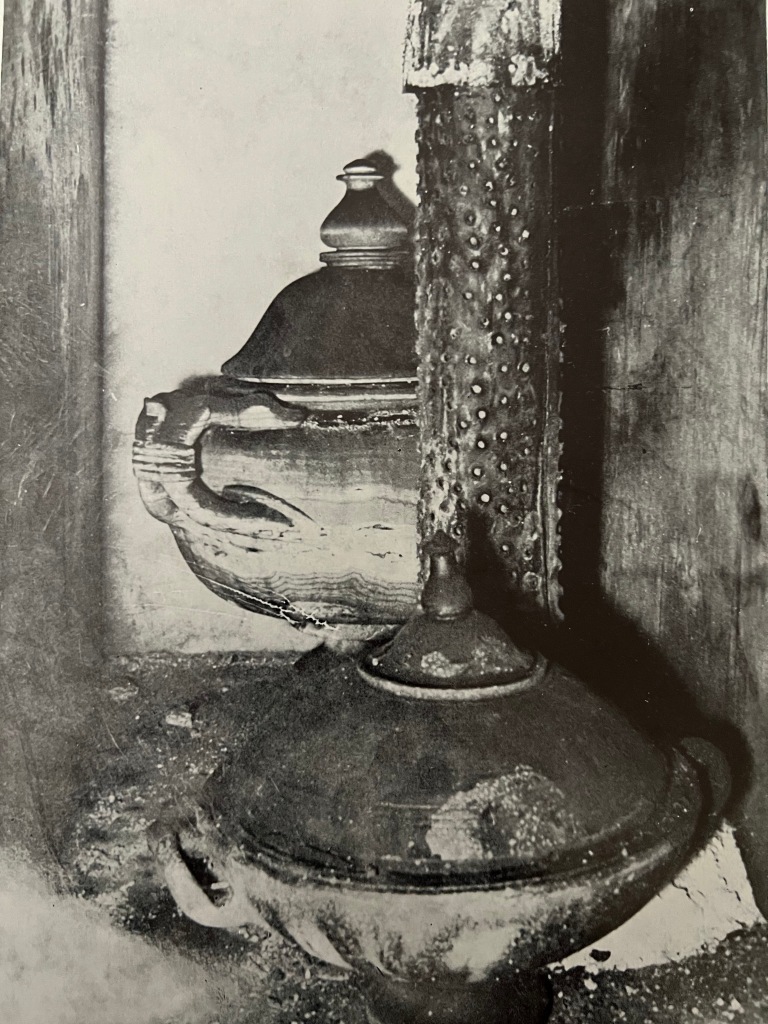
Altar of St. Matthew and Fenestella Confessionis
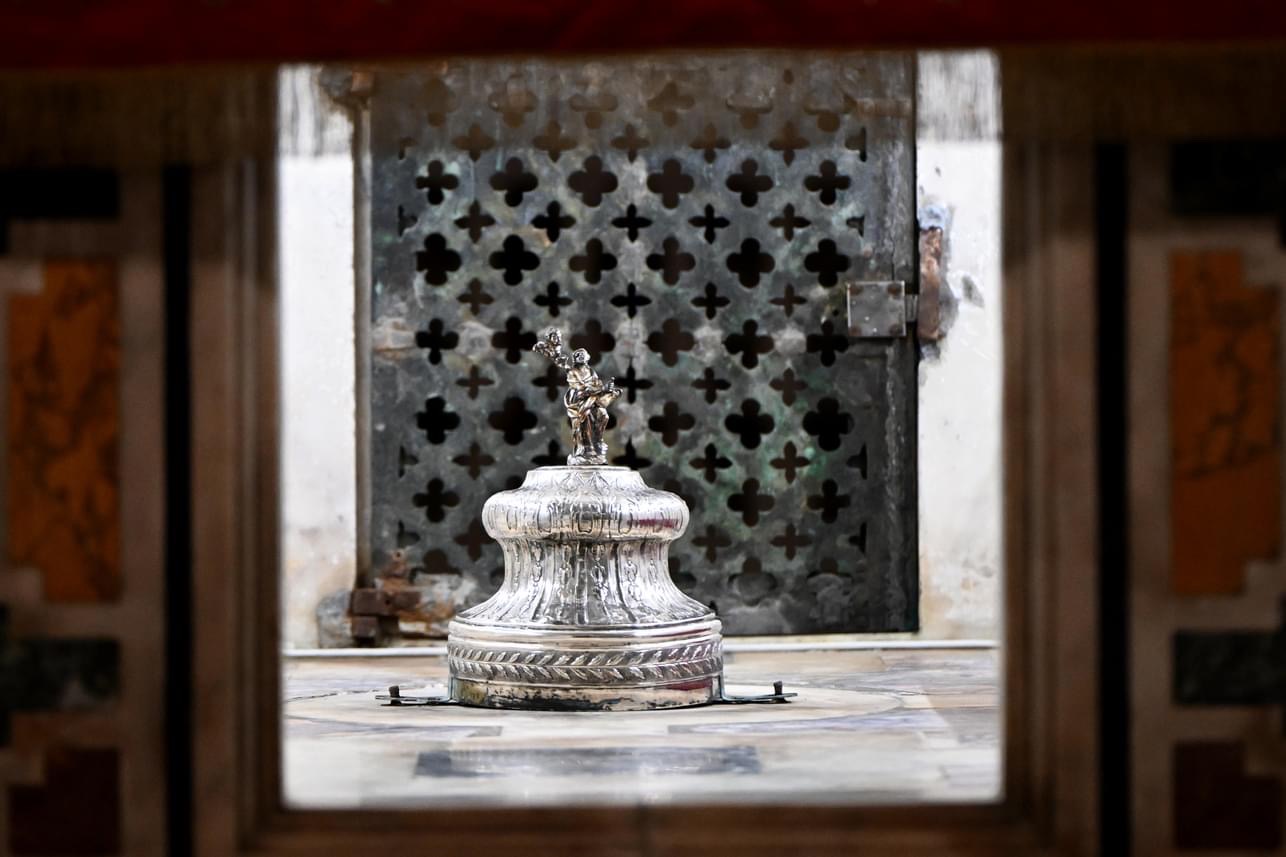
The Cannon, or fistula, is a beautifully pierced leaden cylindric channel that is inserted into St. Matthew’s shrine through the fenestella (little window), which is placed in the middle of the gravestone. Inside it, a running chain holds up two small silver buckets (anon. XVII century), inside which the manna is collected. It is made of little drops of water which are produced by humidity in the sepulchre, and get into the buckets through the small holes. Those drops have always been believed to be springing ex beatissimo corpore of the Apostle St. Matthew and have been venerated by local people.
In 1890, probably due to calcium deposits inside the pierced cannon, it was not possible to lower the bucket into the sepulchre. According to Mgr. Arturo Carocci’s report, later intervention, necessary to reduce the inconvenience, definitely jeopardized the manna; therefore, the traditional manna of St. Matthew ceased that year.
On August 16th, 2023, the new pastor reported to the Archbishop that, while trying to retrieve the reliquary, he accidentally found out very clear condensation inside the two silver buckets. He also recorded a video of the providential event.
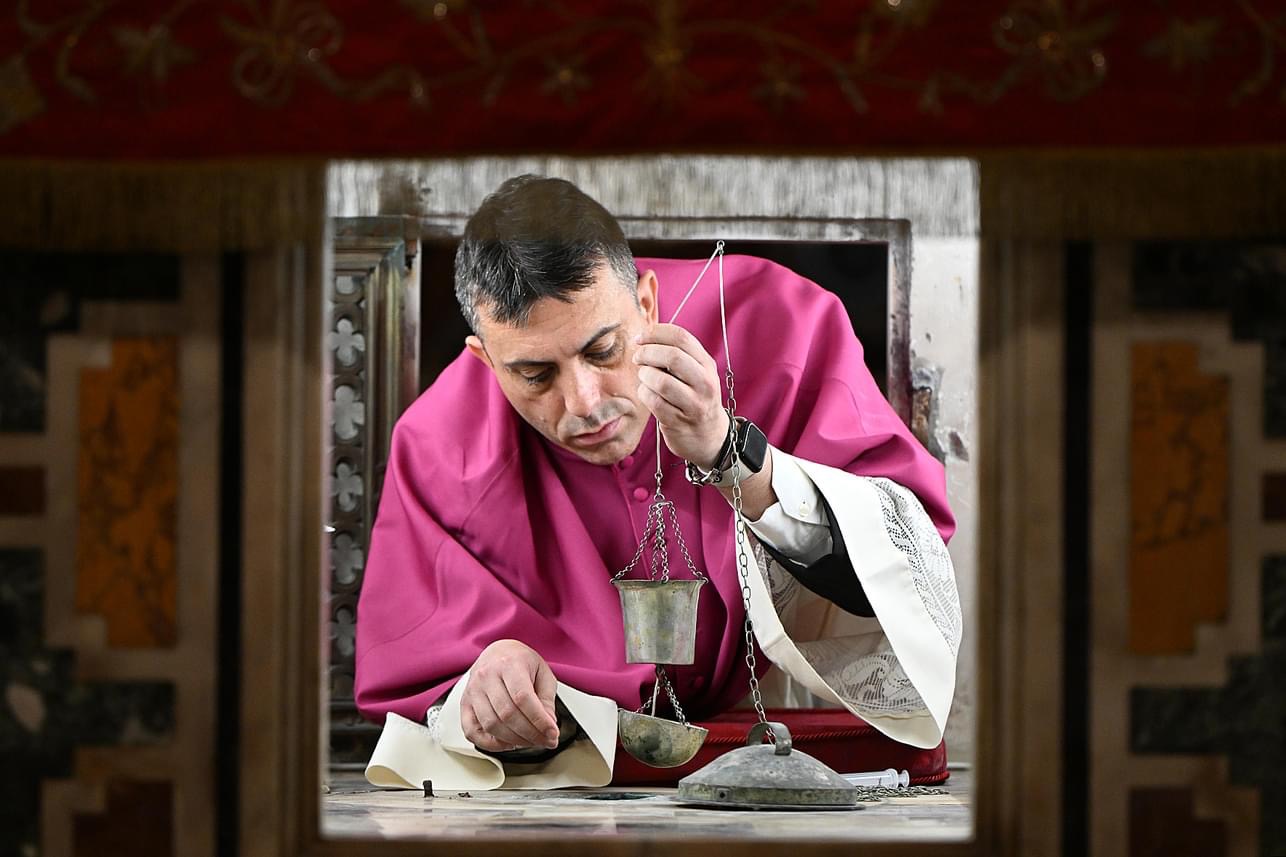
The new rite of the “collection of the manna”, established since 2023, is celebrated twice a year: on the eve of St. Matthew’s solemnity, September 20th, and on the day of the translation of the relics, May 6th.
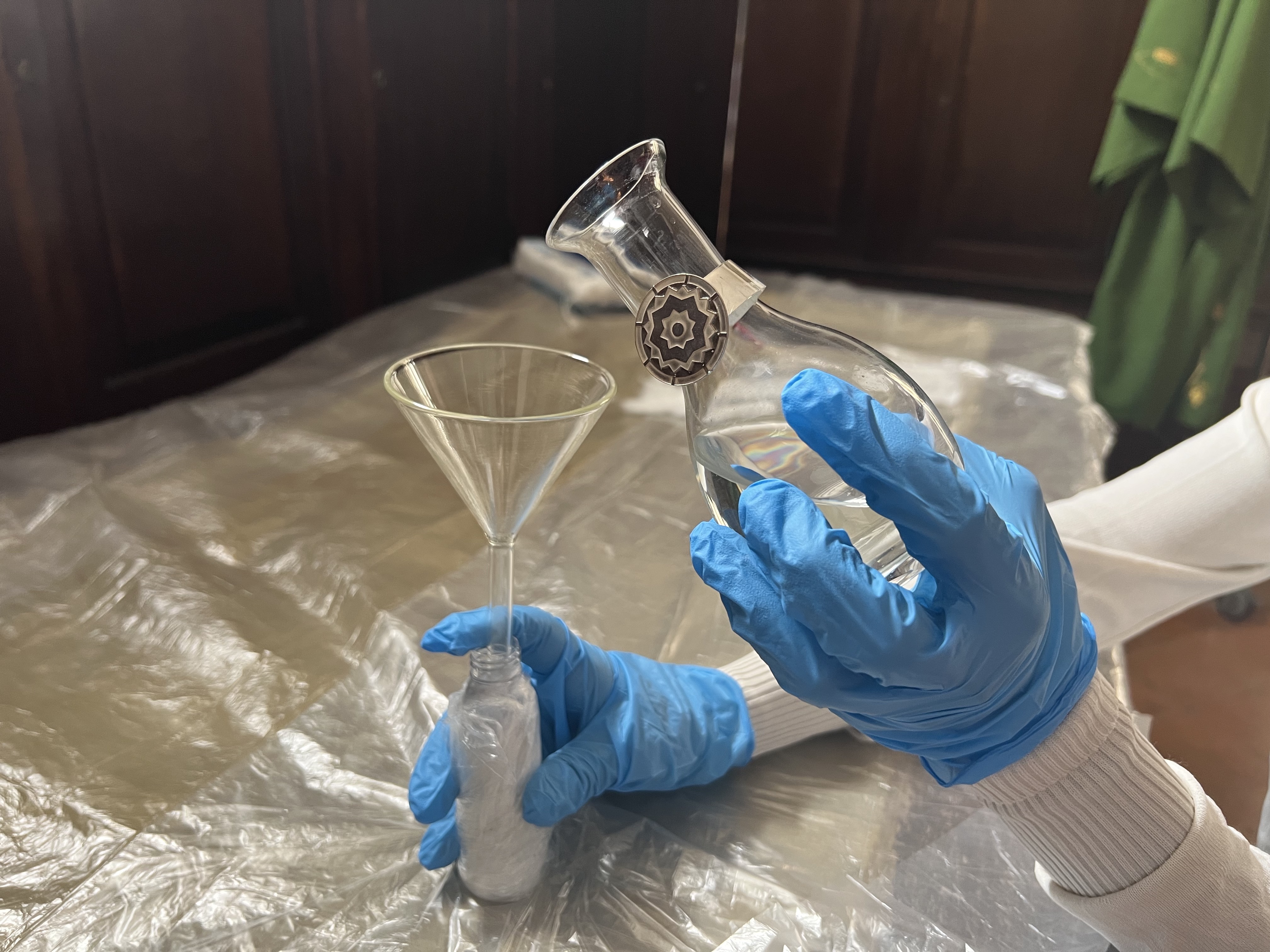
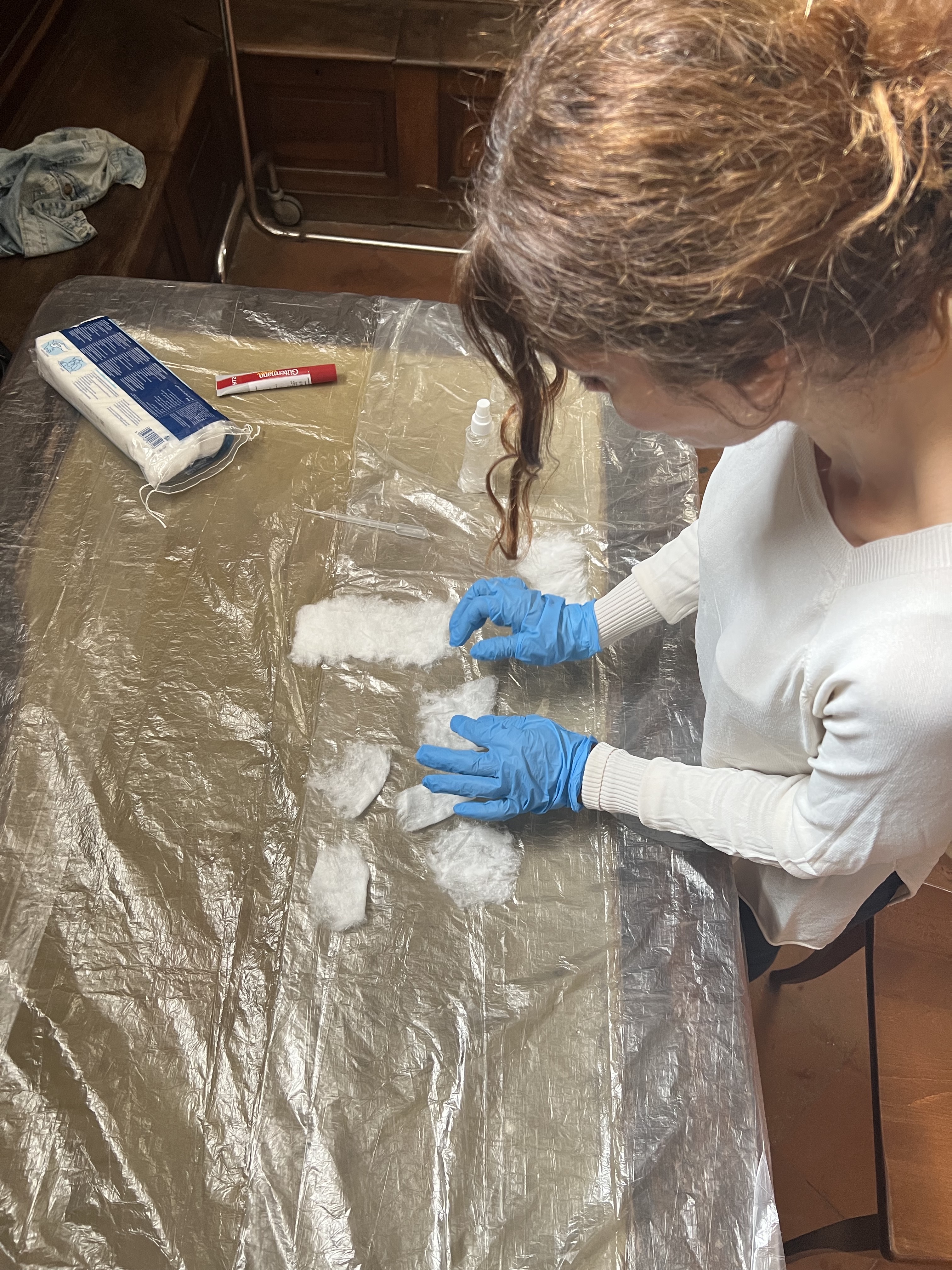
According to the Salernitan tradition, the manna was distributed to the faithful – especially the sick – through little cotton balls. Although it is recognized as a natural phenomenon, the manna remains a symbol of blessing.
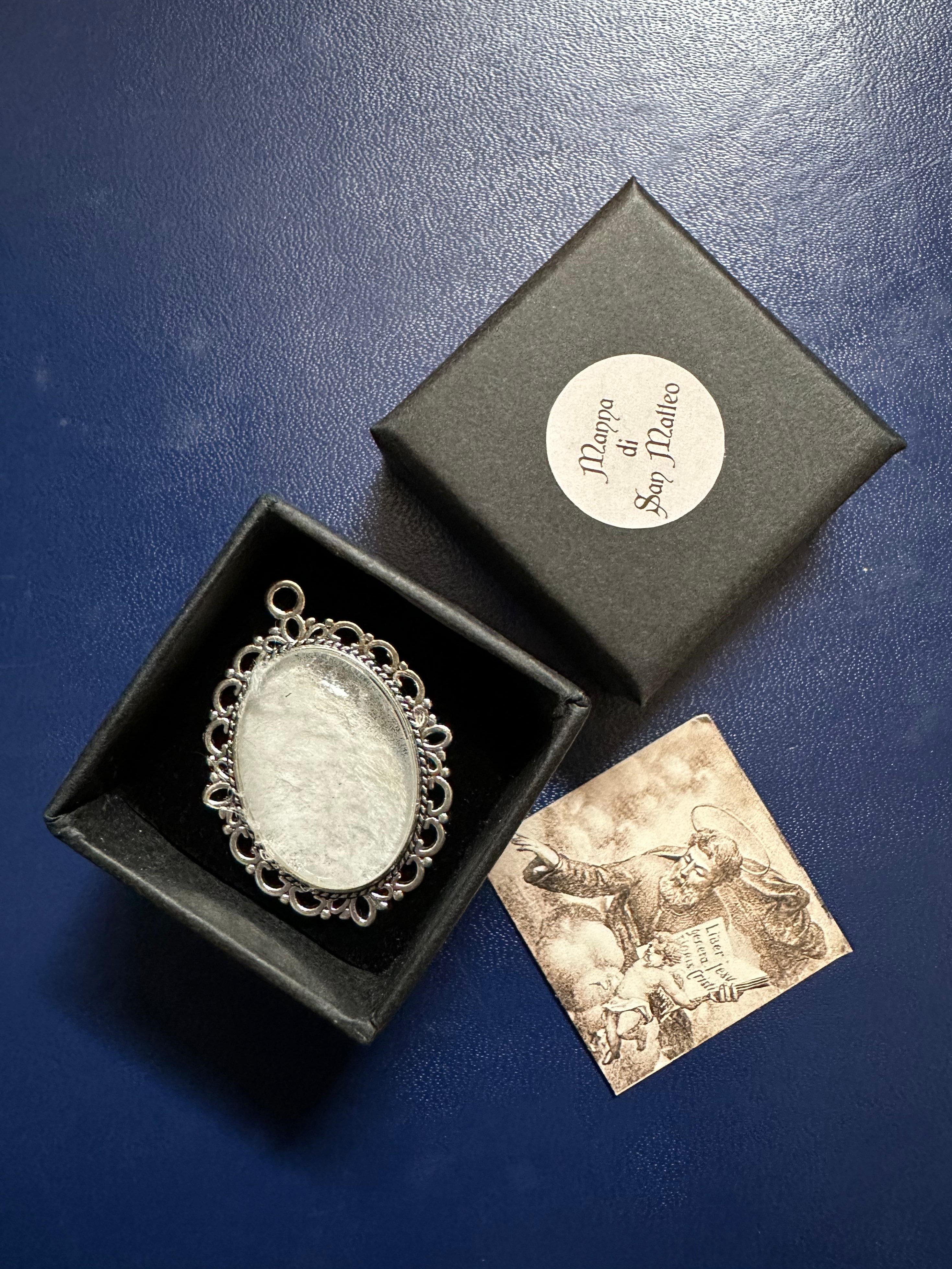
Nowadays it is distributed in a little medal containing some cotton wool soaked with the latest collected liquid. Pilgrims may request one at the sacristy of the upper Basilica.
 Unità Pastorale Centro Storico